
A beautiful perennial garden is much like a thoughtfully designed floral arrangement. While individual blooms may be stunning on their own, it’s the overall structure, balance, and flow that create a space that feels complete. In the garden, decorative landscaping plays a similar role — quietly supporting and enhancing the plants that take center stage.
Perennials offer long-lasting color, texture, and seasonal rhythm, returning year after year with familiar charm. Decorative landscaping elements, such as pathways, borders, and subtle structural features, help organize these plantings and give the garden a sense of intention. Together, they create outdoor spaces that are both visually pleasing and enjoyable to use.
Understanding Decorative Landscaping in the Garden
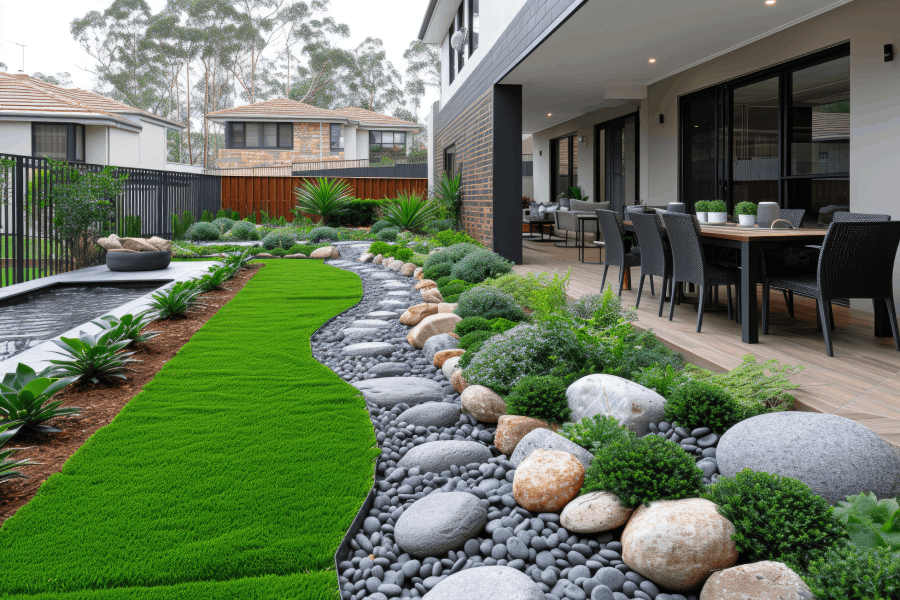
Decorative landscaping refers to the design features that complement plantings and bring cohesion to outdoor spaces. Rather than focusing solely on flowers and foliage, it looks at how materials, shapes, and layout work together with living plants.
Common decorative landscaping elements include:
· Stone, brick, or concrete walkways
· Garden edging and borders
· Raised beds and low retaining walls
· Decorative gravel, mulch, or groundcover
· Accent features such as boulders or seating areas
These elements are not meant to overpower the garden. Instead, they act as a frame — much like a vase or container supports a floral arrangement, drawing attention to the beauty within.
Why Decorative Landscaping Matters for Perennials
Perennials are prized for their reliability and variety. From flowering favorites like coneflowers and salvias to foliage-focused plants such as ornamental grasses, they provide interest across seasons. However, without thoughtful design, even the healthiest perennials can appear scattered or disconnected.
Decorative landscaping helps address this by:
Creating Visual Structure
Defined edges, pathways, and planting zones give the eye a place to rest and move naturally through the garden. This structure helps individual plants stand out while contributing to a cohesive whole.
Improving Garden Function
Paths and stepping stones make it easier to access garden beds for maintenance, while raised areas can improve drainage and soil conditions for perennial roots.
Extending Year-Round Appeal
When some perennials die back or go dormant, hardscape elements continue to provide texture and visual interest, ensuring the garden remains inviting throughout the year.
Designing with Flow and Balance in Mind
Just as floral designers consider balance, proportion, and rhythm when assembling an arrangement, garden designers apply these same principles outdoors. Decorative landscaping plays a key role in establishing flow.
Curved walkways can soften a garden and guide visitors gently through planting areas, while straight lines may create a more formal or modern feel. Borders help define clusters of perennials, making seasonal blooms feel intentional rather than accidental.
When planning your garden layout, consider how you want the space to be experienced. Is it meant for quiet observation, frequent use, or entertaining? Decorative landscaping can subtly guide movement and set the tone without drawing attention away from the plants themselves.
Supporting Healthy Growth Through Design
Beyond aesthetics, decorative landscaping can directly support the health of perennial gardens. Many gardens, particularly in Southern California, contend with compacted or clay-heavy soils. Thoughtfully designed raised beds and amended planting areas can improve drainage and root development.
Gravel paths and permeable surfaces help manage water flow, preventing pooling around plant roots. Mulch and groundcover not only add visual polish but also help regulate soil temperature and retain moisture — both important for perennial longevity.
When design and plant needs are aligned, gardens often require less intervention over time, allowing perennials to thrive naturally.
Choosing Materials That Complement Your Plants
Material selection is an often-overlooked part of decorative landscaping, yet it has a significant impact on the overall feel of a garden. Stone, wood, and concrete each bring their own textures and tones.
· Natural stone pairs beautifully with soft, flowing perennials and creates an organic, timeless look.
· Brick or pavers can add warmth and structure, especially in more traditional garden designs.
· Gravel and decomposed granite offer a casual, drought-friendly option that works well in Mediterranean-style landscapes.
When selecting materials, consider echoing colors and shapes found in your plants. Soft gray stone can highlight green foliage, while warmer tones may enhance colorful blooms. Thoughtful contrast helps both plants and hardscape features stand out.
Planning for Seasonal Change
One of the joys of perennial gardening is watching the landscape evolve throughout the year. Decorative landscaping ensures that your garden remains visually engaging even as plants change.
Borders and pathways maintain definition when flowers fade. Structural elements, such as low walls or seating areas, provide continuity across seasons. This balance allows the garden to feel complete at any time of year, not just during peak bloom.
Much like choosing a timeless theme for a floral arrangement ensures it feels appropriate in different settings, strong landscape design supports your garden through every season.
Creating Outdoor Spaces to Enjoy
Decorative landscaping also shapes how you use your garden. Defined seating areas invite relaxation, while thoughtfully placed paths encourage exploration without disturbing plantings.
By blending function with beauty, gardens become extensions of the home — places to unwind, entertain, or simply observe the changing seasons. These features add value not only visually, but also in how the space is experienced day to day.
Bringing It All Together
Designing a perennial garden that feels balanced and intentional is about more than choosing the right plants. Decorative landscaping provides the structure that allows those plants to shine, much like thoughtful styling enhances a floral arrangement.
For homeowners who want help bringing these elements together, working with professionals experienced in decorative landscaping can make the process smoother and more rewarding. For those in the Los Angeles and Santa Clarita areas, KOM Construction’s Decorative Landscaping services focus on creating durable, garden-friendly designs that complement plantings and enhance outdoor spaces.
Learn more here:
👉 https://komconstruction.com/decorative-landscaping
Final Thoughts
A well-designed garden is a blend of living beauty and thoughtful structure. By pairing perennial plantings with decorative landscaping elements, you can create outdoor spaces that feel harmonious, functional, and inviting year-round.
With careful planning and an eye for balance, your perennial garden can become a place that grows more beautiful with every passing season.